Efficient Heating and Cooling Solutions for the Pulp & Paper Industry

Enrad’s solutions, based on natural refrigerant propane (R290), offer high energy efficiency and robust performance tailored for demanding industrial environments. Modular cooling units and heat pumps are designed for flexibility, enabling precise adaptation to fluctuating process loads and seasonal changes. Integrating sustainable technology allows the pulp & paper industry to reduce operational costs and carbon footprint while maintaining optimal process conditions.
With over 15 years of expertise in natural refrigerants, Enrad delivers future-proof systems that meet strict safety and environmental standards, supporting the transition towards greener, more efficient pulp & paper production.
Advanced Heating & Cooling for Pulp & Paper Industry
Discover efficient heating and cooling solutions from Enrad tailored for the pulp & paper industry. Modern production facilities require reliable temperature control to ensure optimal process performance and product quality. By utilizing advanced systems based on natural refrigerant propane (R290), facilities can achieve high energy efficiency while minimizing environmental impact. Modular cooling units and heat pumps offer flexibility to adapt to varying process loads and seasonal demands, supporting both operational stability and cost savings.
These solutions are engineered to meet strict safety and environmental standards, helping the pulp & paper industry reduce its carbon footprint and transition toward more sustainable operations. Embrace future-proof technology from Enrad that delivers robust performance and supports greener, more efficient pulp & paper production.
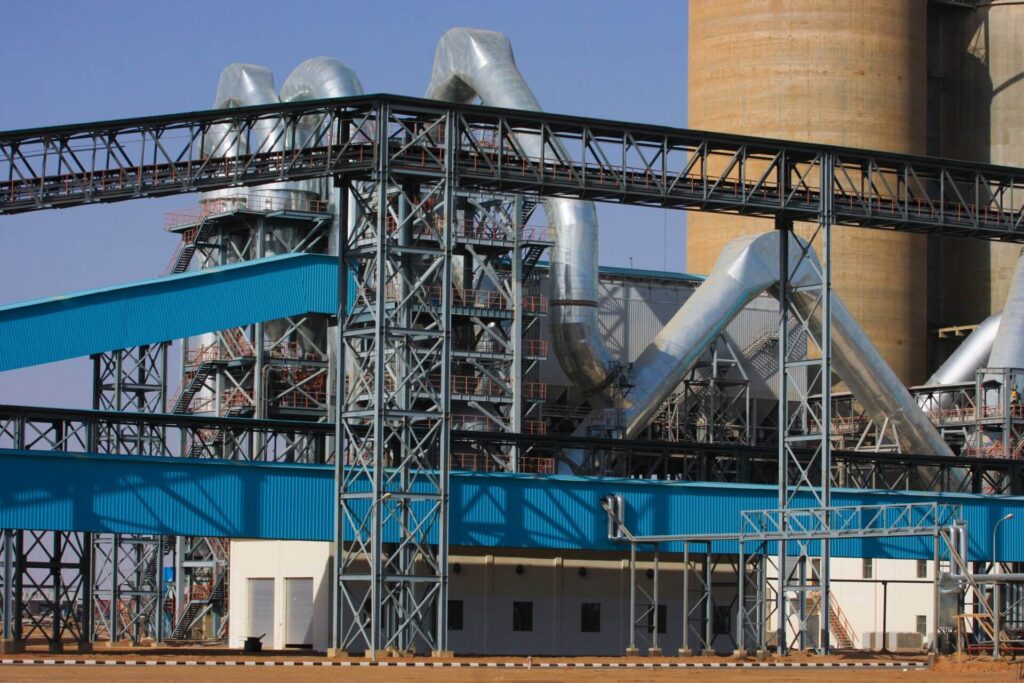
Sustainable Temperature Control for Pulp & Paper Plants
Efficient heating and cooling are essential for maintaining stable production environments in the pulp and paper industry. Implementing advanced systems designed for industrial-scale operations allows facilities to achieve reliable temperature management that supports both process efficiency and product consistency.
Using natural refrigerants ensures compliance with environmental standards while helping to lower energy costs and emissions. Flexible, modular solutions also make it easy to adapt to fluctuating production demands, supporting sustainable and efficient operations throughout the year.
Built for Demanding Industrial Environments
Pulp & paper industry heating & cooling systems must perform reliably in tough industrial conditions. Continuous operation, variable loads, and harsh plant environments require robust equipment that can deliver stable results over time. Durable system design helps minimize service interruptions and supports smoother daily production.
It also builds confidence in temperature control across critical process stages. When equipment is engineered for demanding use, facilities can strengthen uptime and reduce operational risk. That makes reliability a major advantage in high-output manufacturing.
Smart Climate Control for Paper Production
Enrad delivers heating and cooling solutions for the pulp and paper industry, designed for stable processes, lower operating costs, and long-term environmental performance. In mills where temperature control affects washing, bleaching, drying, and storage, reliable systems are essential for consistent output and product quality. Built around modular units and the natural refrigerant R290, Enrad’s technology helps facilities adapt to changing loads while supporting sustainable heating & cooling strategies across the plant.
This provides dependable operation in demanding industrial environments, with the flexibility to scale as production needs evolve. With a focus on robust design and high energy efficiency, Enrad helps the pulp and paper industry reduce emissions, improve uptime, and move toward more future-proof production.
FAQ
What benefits do heating and cooling solutions offer to the pulp & paper industry?
Heating and cooling solutions maintain stable production environments, improve process efficiency, and ensure consistent product quality. They also support cost savings and lower the carbon footprint by utilizing energy-efficient technologies and natural refrigerants.
How does natural refrigerant propane (R290) enhance cooling in the pulp & paper industry?
Natural refrigerant propane (R290) delivers high energy efficiency and a low environmental impact. It enables pulp & paper facilities to meet strict environmental standards, reduce operational costs, and support sustainable production practices.
What makes modular heating and cooling essential for pulp & paper plants?
Modular heating and cooling systems offer flexibility to handle fluctuating process loads and seasonal changes. They provide reliable temperature control, operational stability, and allow for scalable solutions as production needs change.
In what ways do advanced heat pumps promote sustainability in the pulp & paper sector?
Advanced heat pumps boost energy efficiency and cut emissions by using natural refrigerants. They help pulp & paper plants reduce operating costs, comply with environmental regulations, and progress toward more sustainable operations.
Why is precise temperature control important in pulp and paper mills?
Reliable heating and cooling in the pulp and paper industry keep temperatures stable during washing, bleaching, drying, and storage. This helps protect product quality, reduce waste, improve uptime, and support efficient mill operations.
How can energy-efficient systems reduce costs in paper production?
Energy-efficient systems reduce power use, recover useful heat, and adapt to changing process demands. In pulp and paper heating and cooling, this means lower operating costs, better process stability, and reduced emissions over time.
Can heat pumps recover waste heat in pulp and paper processes?
A heat pump can capture excess process heat and reuse it for other heating needs in the mill. In pulp and paper heating and cooling, this improves overall energy efficiency, cuts fuel demand, and supports more sustainable production.
What role does R290 play in sustainable pulp and paper heating and cooling?
R290 is a natural refrigerant with strong energy performance and low climate impact. For pulp and paper heating and cooling, it helps facilities meet environmental goals while maintaining reliable heating and cooling in demanding conditions.