Energy-Efficient Waste Heat Recovery Using Natural Refrigerants

This method not only reduces total energy consumption but also lowers operating costs and carbon emissions. Combining waste heat recovery with natural refrigerants like propane (R290) enables sustainable, future-proof performance in cooling and heat pump systems.
Additionally, modular system designs enhance flexibility, making it easy to adapt waste heat recovery to various installations, from commercial buildings to industrial processes, and support long-term environmental goals.
Optimizing Energy Use with Waste Heat Recovery
Integrating a waste heat recovery system from Enrad is a proactive step toward improving the energy performance of your facility. These systems capture surplus heat produced during cooling or industrial operations and convert it into useful energy for heating spaces or water, which significantly reduces reliance on external energy sources. Utilizing natural refrigerants such as propane (R290), these solutions help minimize environmental impact and contribute to reduced greenhouse gas emissions.
The modular design of the technology allows for easy integration into both new and existing installations, supporting a wide range of applications in commercial and industrial settings. By adopting waste heat recovery systems, organizations can achieve significant cost savings, meet strict sustainability targets, and future-proof their energy strategies while maintaining operational flexibility and efficiency.
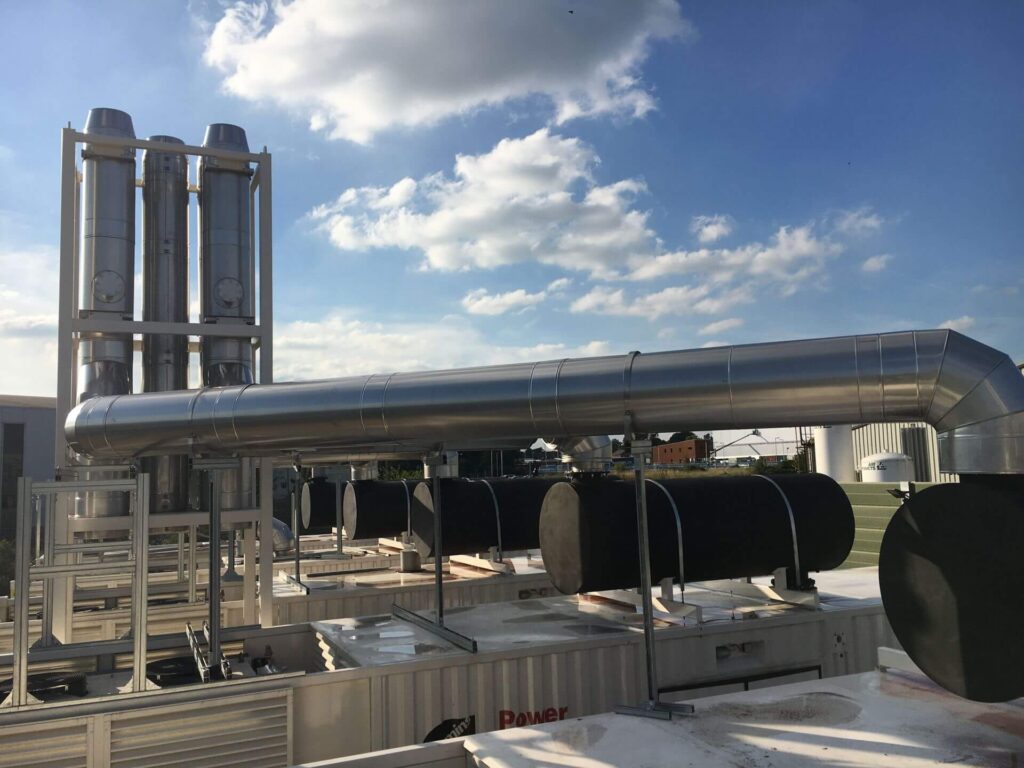
Unlocking Energy Savings with Waste Heat Recovery Systems
Implementing a waste heat recovery system is a smart way to maximize energy efficiency in commercial and industrial environments. By capturing and reusing heat that would otherwise be lost, these systems from Enrad transform waste into a valuable resource for heating air or water.
Using natural refrigerants, Enrad systems not only help reduce overall energy consumption but also contribute to a lower carbon footprint. Their modular design allows for seamless integration into both new and existing setups, making it easier to achieve sustainability goals while minimizing operational expenses.
Improve Hot Water Production Efficiency
One major advantage of a waste heat recovery system is its ability to support hot water production. Instead of being rejected, heat can be captured and used where there is steady hot water demand.
This is especially valuable in commercial buildings, retail environments, and process-heavy operations. Reusing existing energy reduces the need for additional heating input. It also helps stabilize operating costs over time. By linking cooling and hot water needs, facilities can gain more value from every unit of energy used.
Smarter Heat Recovery for Lower Energy Use
A waste heat recovery system helps facilities turn excess heat from cooling and process applications into useful energy for space heating or hot water production. With Enrad’s modular solutions and natural refrigerant R290, businesses can reduce energy waste, lower operating costs, and support long-term sustainability goals without compromising performance.
To maximize results, waste heat recovery should be paired with clear energy reporting that highlights consumption patterns and improvement opportunities. Ongoing performance monitoring makes it easier to optimize system operation over time, ensuring consistent efficiency, reliable output, and better control of energy use and carbon emissions.
FAQ
What is a waste heat recovery system and how does it operate?
A waste heat recovery system captures excess heat produced during industrial or cooling processes and repurposes it to heat air or water. This approach reduces energy use by utilizing heat that would otherwise be lost, resulting in cost savings and greater energy efficiency.
In what ways do waste heat recovery systems boost energy efficiency?
Capturing and reusing surplus heat, waste heat recovery systems reduce the need for additional energy sources. This decreases operational costs and lowers greenhouse gas emissions, making them an effective solution for improving energy efficiency in commercial and industrial environments.
What advantages do natural refrigerants like propane (R290) offer in waste heat recovery systems?
Natural refrigerants such as propane (R290) provide high energy efficiency and a low environmental impact. They help decrease greenhouse gas emissions and are considered future-proof, making them a sustainable option for waste heat recovery systems in various settings.
Can waste heat recovery systems be used in both new and existing facilities?
Modern waste heat recovery systems, such as those from Enrad, are designed with modularity, allowing for straightforward integration into both new buildings and existing facilities. This adaptability supports a wide range of commercial and industrial uses, helping organizations reach sustainability objectives.
Which facilities benefit most from waste heat recovery?
A waste heat recovery system is ideal for supermarkets, hotels, factories, offices, and other facilities with simultaneous cooling and heating demands. It recovers surplus heat from refrigeration or process cooling and reuses it for hot water or space heating.
How can a waste heat recovery system reduce costs?
A waste heat recovery system can lower energy bills by reusing heat that would otherwise be wasted. This reduces the need for separate heating sources, improves system efficiency, and provides more stable operating costs in energy-intensive buildings.
Why choose a modular waste heat recovery system?
A modular waste heat recovery system offers flexible sizing, easier installation, and simpler expansion as demand changes. It suits both retrofit and new-build projects while helping businesses optimize energy use without major system redesigns.
Can waste heat recovery support sustainability goals?
Yes, a waste heat recovery system can support sustainability targets by cutting energy waste and reducing carbon emissions. Combined with natural refrigerants like R290, it also supports lower environmental impact and future-ready HVAC performance.