Energy-efficient Solutions for Sustainable Cooling and Heating

The modular design enables precise adaptation to real-world requirements, minimizing energy waste and optimizing operation throughout the unit’s lifecycle. Advanced monitoring features, such as real-time system health checks, support ongoing optimization and ensure every kilowatt is used effectively.
Through robust engineering and a focus on sustainability, Enrad units help lower operational costs and extend equipment lifespan, all while supporting ambitious climate goals. Selecting energy-efficient solutions is essential for future-proofing buildings and reducing environmental impact-Enrad technology makes this possible without compromise.
Innovative Approaches to Energy Efficiency in HVAC
Enhancing energy efficiency in heating and cooling systems is crucial for both sustainability and cost savings. Modern HVAC solutions from Enrad leverage modular, compact designs and advanced monitoring to ensure precise adaptation to each building’s unique needs. By optimizing energy use with intelligent controls and natural refrigerants, these systems significantly reduce wasted energy and operational expenses.
Flexible configurations allow seamless integration into various applications, from commercial spaces to industrial settings, while maintaining high performance and reliability. Prioritizing energy efficiency in HVAC not only supports environmental goals but also extends equipment life and delivers long-term value for property owners and operators.
Smart System Design for Enhanced Energy Efficiency
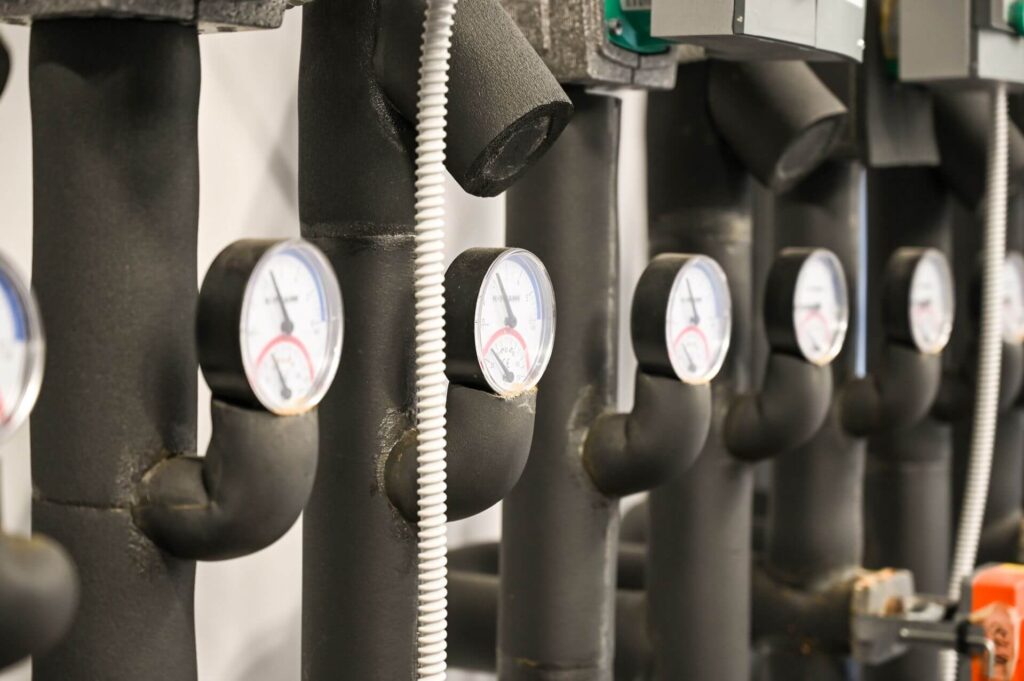
Harnessing energy efficiency begins with intelligent system architecture. Modular HVAC units equipped with adaptive controls adjust output to match real-time demand, which reduces unnecessary energy consumption and lowers utility costs. Integrated monitoring tools deliver continuous feedback, enabling proactive maintenance and ongoing optimization.
Focusing on precise load management and utilizing natural refrigerants allows these systems to support climate objectives while ensuring reliable performance in various environments. Investing in smart design is essential for achieving lasting improvements in energy efficiency for any property.
Reducing Lifecycle Costs Through Efficiency
Strong energy efficiency does more than lower monthly electricity bills. It also reduces lifecycle costs by supporting smoother operation and placing less strain on key components. Systems that run efficiently often require fewer emergency interventions and maintain performance over longer periods.
This creates financial value across installation, service, and replacement planning. Better efficiency can also improve budget predictability for facility managers and property owners. Considering the total lifecycle impact makes energy efficiency an important part of long-term building strategy.
Smarter Energy Efficiency for HVAC
Energy efficiency is essential for reducing operating costs, lowering emissions, and creating HVAC systems that remain reliable over time. Enrad develops modular cooling and heating solutions that use the natural refrigerant R290 to deliver high performance with less wasted energy. Matching output to real demand and enabling continuous monitoring allows each installation to be optimized for both commercial and industrial environments.
This approach makes improving building performance easier while supporting long-term sustainability goals. Solutions such as propane chillers and heat pumps help combine efficient operation with lower climate impact, while waste heat recovery systems can turn excess energy into added value across the entire facility.
FAQ
How do modular HVAC systems enhance energy efficiency?
Modular HVAC systems from Enrad enhance energy efficiency by adapting precisely to building needs. Their adaptive controls and real-time monitoring reduce energy waste, ensuring the system uses only the energy required for current demand. This targeted approach results in lower operational costs and improved system performance.
What are the advantages of natural refrigerants for energy efficiency?
Natural refrigerants, such as propane (R290), deliver high energy efficiency and a lower environmental impact than traditional refrigerants. Using them helps decrease greenhouse gas emissions and supports climate objectives, all while maintaining dependable heating and cooling performance.
How does advanced monitoring support energy-efficient HVAC operation?
Advanced monitoring in HVAC systems from Enrad delivers real-time data on performance and system health. This allows for proactive maintenance and continuous optimization, ensuring energy is used efficiently. As a result, energy consumption is reduced and equipment lifespan is extended.
Why is energy efficiency crucial in commercial and industrial HVAC systems?
Energy efficiency in commercial and industrial HVAC systems from Enrad cuts operational expenses, lessens environmental impact, and increases equipment longevity. It also assists businesses in achieving sustainability targets and provides lasting value for property owners and operators.
How does energy efficiency reduce HVAC operating costs?
Energy efficiency lowers utility use by matching cooling and heating output to actual demand. This reduces wasted energy, supports stable indoor conditions, and helps commercial buildings cut operating costs while improving long-term sustainability.
Why is R290 a smart choice for energy efficiency?
R290 supports energy efficiency through strong thermodynamic performance and low climate impact. In well-designed systems, it can improve cooling and heating performance while helping businesses reduce emissions and meet stricter environmental targets.
Can modular heat pumps improve energy efficiency?
Modular heat pumps improve energy efficiency by scaling capacity to building load instead of running oversized equipment. This helps reduce part-load losses, optimize performance, and make future expansion or system adjustments easier.
What features matter most in energy efficiency solutions?
Key features include demand-based controls, compact modular design, natural refrigerants, and real-time monitoring. Together, these improve energy efficiency by minimizing waste, increasing reliability, and helping systems maintain peak performance over time.