Ecodesign Solutions for Sustainable Cooling and Heat Pumps

Utilizing natural refrigerant propane (R290), Enrad systems meet strict ecodesign requirements, ensuring lower greenhouse gas emissions and compliance with evolving European regulations. Modular construction enables precise adaptation to each project’s needs, minimizing resource use and waste.
Emphasizing lifecycle thinking-from installation to recycling-Enrad’s approach to ecodesign supports both climate goals and operational savings. This commitment helps HVAC consultants and end users make choices that are not only efficient and robust, but also aligned with the transition to a greener, more sustainable future.
Ecodesign: Sustainable Cooling and Heating Solutions
Ecodesign is central to modern cooling and heating technology, providing environmentally responsible solutions that comply with strict European standards. By using natural refrigerants such as propane (R290), ecodesign systems help to significantly reduce greenhouse gas emissions and facilitate the transition to a low-carbon future. Modular construction enables customized installations, which minimizes resource use and waste while maximizing efficiency.
Lifecycle thinking ensures that every stage, from installation to recycling, is optimized for sustainability and operational savings. These ecodesign principles enable HVAC consultants and end users to select systems that are robust, efficient, and aligned with climate goals and regulatory requirements. Choosing ecodesign means investing in technology that offers long-term value, environmental benefits, and compliance with evolving industry standards.
Ecodesign Boosts Energy Efficiency and Sustainability
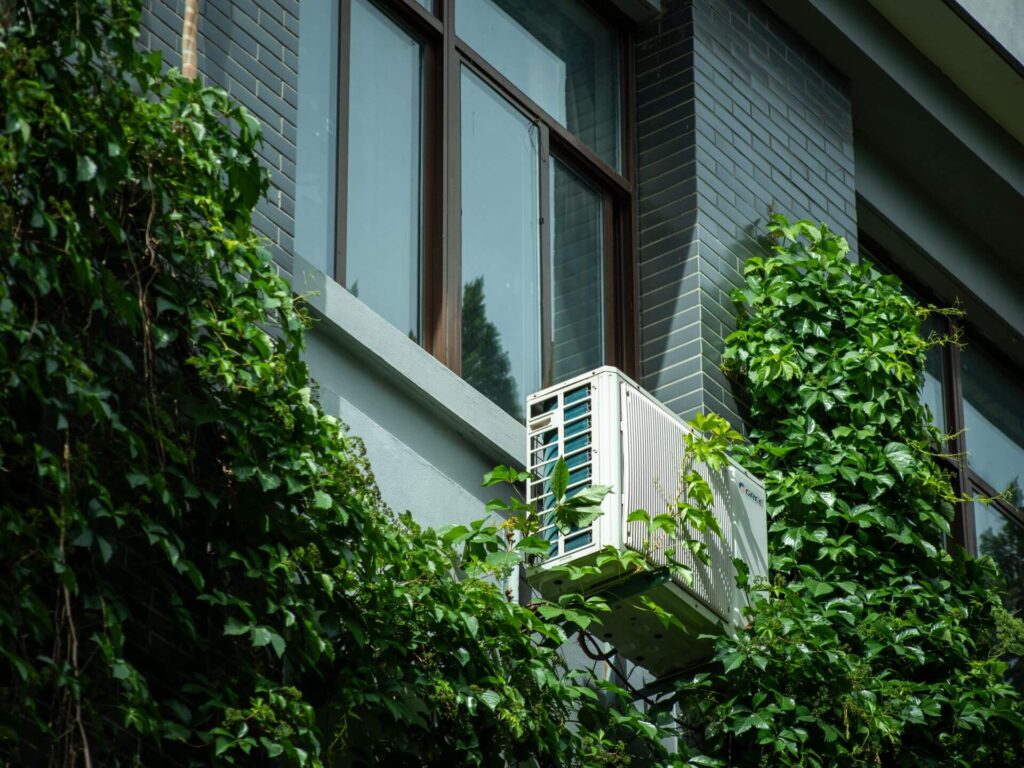
Ecodesign plays a crucial role in advancing energy efficiency and sustainability within modern cooling and heating systems from Enrad. By prioritizing the use of natural refrigerants like propane (R290), ecodesign solutions help reduce environmental impact and support compliance with stringent European regulations. Modular system designs allow for tailored installations, ensuring optimal resource use and minimal waste.
This approach not only lowers operational costs but also extends the lifespan of equipment, making ecodesign a smart choice for those seeking reliable, future-proof HVAC solutions from Enrad that align with climate and sustainability goals.
Ecodesign for Efficient Heat Recovery
Ecodesign is not only about cooling output but also about making better use of available energy. Heat recovery can capture surplus heat from refrigeration or cooling processes and redirect it where it creates value. This supports lower total energy demand and improves overall system efficiency.
In ecodesign-driven projects, heat recovery can contribute to both operational savings and a reduced carbon footprint. It is a smart option for buildings that need cooling and heating at the same time.
Ecodesign for Smarter HVAC Performance
Ecodesign helps shape HVAC solutions that are efficient, durable, and ready for future regulatory demands. At Enrad, this means combining modular design with natural refrigerant R290 to reduce environmental impact while maintaining reliable cooling and heating performance. A strong focus on energy efficiency supports lower operating costs and better resource use throughout the system lifecycle.
It also creates opportunities to integrate waste heat recovery systems, allowing surplus energy from cooling processes to be reused where heating is needed. The result is a sustainable, practical solution for consultants, property owners, and businesses seeking long-term value.
FAQ
What does ecodesign mean in cooling and heating systems?
Ecodesign in cooling and heating systems involves developing equipment that meets strict environmental standards, utilizes natural refrigerants such as propane (R290), and focuses on energy efficiency, reduced greenhouse gas emissions, and compliance with European regulations.
In what ways does ecodesign boost energy efficiency in HVAC systems?
Ecodesign boosts energy efficiency by incorporating natural refrigerants, using modular construction for tailored installations, and optimizing resource use. This approach reduces waste, lowers operational costs, and ensures systems comply with rigorous environmental and regulatory standards.
Why is propane (R290) significant in ecodesign technology?
Propane (R290) is a natural refrigerant with a low global warming potential, making it ideal for ecodesign. Using R290 in cooling and heat pump systems reduces greenhouse gas emissions and supports the shift toward sustainable, low-carbon HVAC solutions.
What advantages do modular ecodesign HVAC systems provide?
Modular ecodesign HVAC systems provide flexibility for customized installations, minimize resource use and waste, and extend equipment lifespan. These advantages lead to operational savings, strong performance, and alignment with sustainability and climate objectives.
How does ecodesign help future-proof HVAC investments?
Ecodesign compliance helps future-proof HVAC investments by meeting energy and environmental requirements early. It can reduce upgrade costs, support specification work, and make cooling and heat pump systems easier to align with changing market demands.
What makes an ecodesign heat pump more climate-friendly?
An ecodesign heat pump lowers climate impact through high efficiency, smart system design, and refrigerants with low global warming potential, such as R290. This combination helps reduce emissions, energy use, and long-term operating costs.
Why is ecodesign important for commercial refrigeration?
Ecodesign matters in commercial refrigeration because it improves system efficiency, reduces indirect emissions from electricity use, and supports lower refrigerant impact. It also helps businesses balance performance, sustainability, and operating economy.
What should you compare in ecodesign cooling systems?
When comparing ecodesign cooling systems, consider seasonal efficiency, refrigerant choice, modular flexibility, heat recovery potential, and service life. These factors affect sustainability performance, energy savings, and suitability for the application.