Industrial Cooling Systems Using Natural Refrigerants

By using natural refrigerants like propane (R290), industrial cooling systems achieve high performance with a reduced environmental footprint. Modular designs facilitate easy scalability, enabling systems to adapt to changing capacity needs while minimizing downtime. Advanced monitoring and smart features optimize energy consumption and enhance system longevity.
Robust construction and local production ensure efficient operation even under continuous heavy loads, supporting both productivity and climate goals. Enrad delivers sustainable cooling, representing a forward-thinking choice for industries seeking to reduce emissions and future-proof their operations.
Sustainable Solutions for Industrial Cooling
Industrial cooling systems from Enrad are essential for efficient operations in sectors such as manufacturing, logistics, and food storage. Utilizing natural refrigerants, these systems provide high-performance cooling while reducing environmental impact and meeting modern sustainability standards. The modular design of current industrial cooling systems enables straightforward expansion or adaptation as business requirements change, ensuring ongoing and reliable temperature control.
Smart technology integration allows for real-time monitoring and energy optimization, which helps lower operational costs and prolong equipment lifespan. Built with durable construction for demanding environments, these systems deliver consistent performance under heavy workloads. Selecting industrial cooling solutions that focus on eco-friendly refrigerants and energy efficiency is a responsible choice for companies seeking to lower emissions and comply with future regulations.
How Industrial Cooling Systems Enhance Sustainability
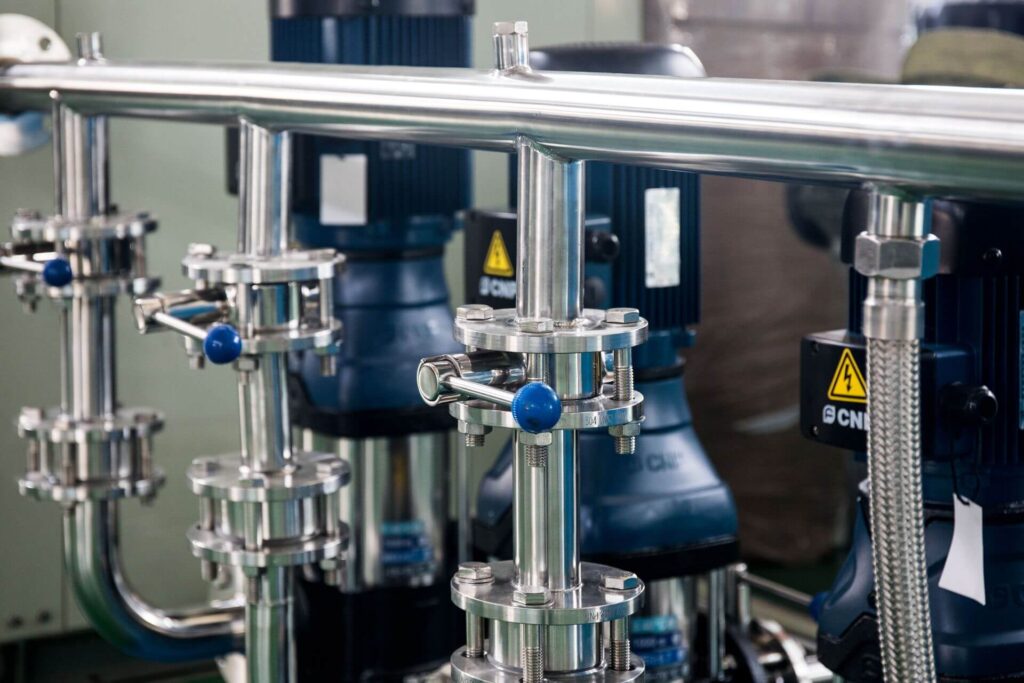
Industrial cooling systems from Enrad play a vital role in supporting sustainable operations across sectors such as manufacturing, logistics, and food storage. By utilizing natural refrigerants and advanced energy management, these systems significantly reduce greenhouse gas emissions compared to traditional cooling methods. Modular architectures enable businesses to adjust cooling capacity as requirements evolve, ensuring efficient resource use.
Through smart monitoring and robust engineering, industrial cooling solutions provide reliable temperature control, helping companies meet environmental targets and comply with changing regulations.
Future-Ready Cooling for Changing Rules
Environmental rules and efficiency standards continue to evolve, making long-term planning more important than ever. Industrial cooling systems designed around low-impact refrigerants and energy efficiency are better positioned for the future. They help facilities reduce emissions today while preparing for stricter requirements tomorrow.
This reduces the risk of costly retrofits or early system replacement. For companies that want to invest wisely, future-ready industrial cooling systems offer a more secure and sustainable path.
Smarter Industrial Cooling Systems
Enrad develops industrial cooling systems for demanding operations where reliability, flexibility, and sustainability matter every day. By using natural refrigerants such as propane R290, these solutions help reduce environmental impact while maintaining stable performance in manufacturing, food processing, logistics, and other temperature-critical environments.
The modular design also makes it easier to scale capacity as needs change, limiting downtime and supporting long-term investment value. Combined with smart monitoring and durable Swedish engineering, Enrad systems are designed to improve energy efficiency, lower operating costs, and help businesses prepare for future climate and performance requirements.
FAQ
What are the benefits of using natural refrigerants in industrial cooling?
Industrial cooling systems from Enrad that use natural refrigerants, such as propane (R290), deliver high performance while greatly reducing environmental impact. They help decrease greenhouse gas emissions, align with modern sustainability standards, and assist companies in meeting future regulatory requirements.
How do modular cooling systems enhance scalability and operational efficiency?
Modular industrial cooling systems from Enrad allow for easy expansion or adaptation, enabling businesses to adjust cooling capacity as requirements evolve. This adaptability reduces downtime, guarantees reliable temperature control, and makes resource use more efficient for changing operational needs.
What makes smart technology valuable in industrial cooling applications?
Integrating smart technology into Enrad industrial cooling systems provides real-time monitoring and energy optimization. These features help cut operational costs, extend equipment life, and maintain consistent performance under heavy workloads, supporting productivity and sustainability objectives.
Which industries gain the most from eco-friendly refrigerant cooling systems?
Manufacturing, logistics, and food storage industries benefit significantly from Enrad industrial cooling systems that use eco-friendly refrigerants. Such systems deliver dependable temperature control, encourage sustainable practices, and help companies reduce emissions while complying with environmental standards.
How do industrial cooling systems boost efficiency in daily operations?
The right industrial cooling systems lower energy use, maintain stable temperatures, and reduce the risk of costly downtime. Efficient designs also improve product quality, protect equipment, and support long-term compliance with environmental and performance standards.
Which features should energy-efficient industrial cooling systems include?
Energy-efficient industrial cooling systems often use natural refrigerants, modular designs, and intelligent controls. Together, these features help optimize capacity, reduce emissions, and keep operating costs under control in demanding industrial environments.
Why is R290 a wise option for modern industrial cooling systems?
Industrial cooling systems using propane R290 can offer strong cooling performance with low climate impact. As a natural refrigerant, R290 supports sustainability goals while helping businesses prepare for stricter refrigerant and energy regulations.
Are industrial cooling systems fit for food processing and cold storage?
For food processing and cold storage, industrial cooling systems must provide precise temperature control, high reliability, and efficient operation. Systems built for continuous use help protect goods, preserve quality, and maintain safe conditions around the clock.
Summary
Enrad delivers industrial cooling systems designed for demanding environments where reliability, energy efficiency, and sustainability are essential. By using natural refrigerants such as propane R290, these solutions help reduce emissions while maintaining stable, high-performance cooling in manufacturing, food processing, logistics, cold storage, and data centers. The modular system design makes it easy to scale capacity as operational needs change, while smart monitoring supports real-time optimization, lower operating costs, and longer equipment life.
Built in Sweden for continuous heavy-duty use, Enrad’s industrial cooling systems offer a future-ready approach that helps businesses improve temperature control, meet environmental goals, and prepare for stricter efficiency and refrigerant regulations.