Energy Report: Efficient Cooling and Heat Pump Solutions

Advanced monitoring options and real-time data from modern systems using natural refrigerants like propane (R290) help identify opportunities to reduce energy use, extend equipment lifespan, and lower maintenance costs. For projects involving modular cooling units and heat pumps, energy reports support informed decision-making, ensuring compliance with environmental standards and maximizing sustainability.
Integrating energy reports into your workflow enables smarter planning, improved troubleshooting, and measurable progress toward climate goals-making your HVAC solutions both future-proof and eco-friendly.
Maximize Sustainability with an Energy Report
An energy report provides a detailed overview of your Enrad cooling and heat pump systems’ performance, focusing on energy consumption, operational efficiency, and environmental impact. By analyzing real-time data from systems using natural refrigerants like propane (R290), energy reports highlight opportunities to reduce energy use and lower emissions. These insights help identify areas for optimization, support compliance with environmental regulations, and guide future investments in HVAC solutions.
With a comprehensive energy report, you can make informed decisions that extend equipment life, decrease maintenance costs, and contribute to your organization’s sustainability goals. Incorporating energy reports into your planning process ensures your cooling and heating systems are efficient, eco-friendly, and ready for the future.
Comprehensive Energy Reports for Smarter HVAC Planning
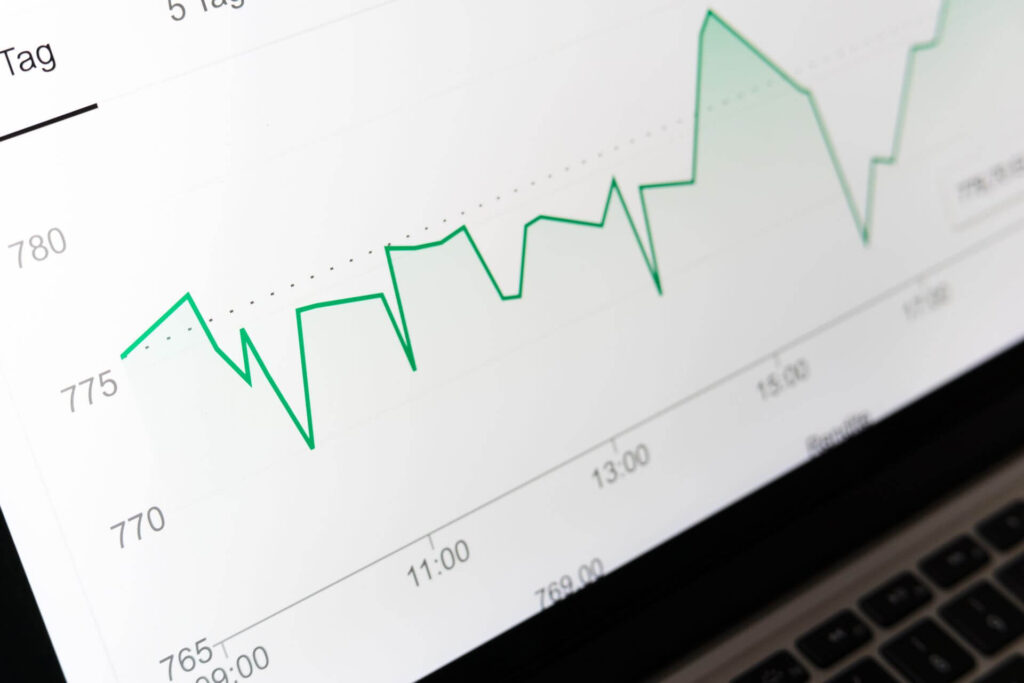
Energy reports from Enrad provide valuable insights by analyzing your facility’s cooling and heating system data. Detailed analytics on energy consumption patterns, operational efficiency, and sustainability metrics allow you to identify inefficiencies and find cost-saving opportunities.
These thorough assessments support both immediate improvements and long-term planning, helping you meet environmental standards and enhance the performance of your HVAC systems. With actionable feedback from an energy report, you can refine maintenance strategies and optimize energy use, guiding your organization toward greater sustainability and reliability.
Energy Report Value in Multi-Site Operations
For organizations managing several properties, an energy report creates consistency in how HVAC performance is evaluated. It allows teams to compare energy use, efficiency, and maintenance needs across different locations. This makes it easier to identify best practices and detect sites that need attention.
Standardized reporting also improves communication between technical teams, consultants, and management. With better oversight, energy strategies can be scaled more effectively from one facility to another. The report brings structure and clarity to multi-site energy management.
Energy Report Insights That Support Action
An energy report helps turn system data into practical decisions for consultants, facility managers, and multi-site operators. Reviewing energy use, operating patterns, and equipment performance makes it easier for Enrad to uncover inefficiencies, prioritize maintenance, and plan upgrades with confidence.
The report also supports compliance work by providing a clearer view of how installed systems align with ecodesign requirements. For businesses evaluating future investments, an energy report provides a strong basis for selecting efficient commercial heat pump and chiller solutions built for lower emissions, reliable operation, and long-term sustainability.
FAQ
What is an energy report for cooling and heat pump systems?
An energy report for cooling and heat pump systems offers a detailed analysis of energy consumption, operational efficiency, and environmental impact. It delivers actionable insights to optimize system performance, reduce energy use, and support sustainability objectives for Enrad systems.
How does an energy report benefit HVAC system planning?
An energy report identifies inefficiencies and areas for improvement in HVAC systems. Through analysis of real-time data, it enables more effective planning, ensures compliance with environmental regulations, and informs future investments in energy-efficient solutions from Enrad.
What sustainability advantages does an energy report offer?
An energy report reveals opportunities to lower emissions and reduce energy consumption. By emphasizing systems that use natural refrigerants such as propane (R290), it helps organizations achieve sustainability targets and enhance their environmental impact with Enrad solutions.
How can energy reports help reduce maintenance costs?
Energy reports offer insights into equipment performance and operational trends, enabling proactive maintenance strategies. This approach helps extend equipment lifespan, reduce unexpected breakdowns, and lower overall maintenance costs for Enrad products.
What should be included in a professional energy report?
An energy report should include energy consumption trends, system efficiency, operating hours, load patterns, refrigerant data, and maintenance indicators. This gives facility managers a clear basis for improving performance, reducing waste, and planning upgrades.
How can an energy report help lower HVAC operating costs?
By reviewing actual system performance, an energy report shows where energy is lost and which units need adjustment or replacement. This helps lower operating costs, improve reliability, and support better budgeting for HVAC investments.
Is an energy report useful for buildings with multiple locations?
Yes, an energy report is highly useful for multi-site portfolios because it standardizes performance data across locations. This makes it easier to compare sites, spot inefficiencies, prioritize actions, and build a more consistent energy strategy.
How does an energy report support compliance and sustainability?
An energy report supports compliance by documenting energy performance, efficiency levels, and environmental impact. It helps organizations align HVAC systems with sustainability goals, internal targets, and evolving regulatory expectations in a structured way.
Summary
An energy report helps HVAC consultants, facility managers, and multi-site operators understand how cooling units and heat pumps are performing. By reviewing energy consumption, operating patterns, efficiency levels, and maintenance indicators, Enrad makes it easier to identify waste, improve reliability, and support smarter investment decisions. For systems using natural refrigerants such as propane (R290), an energy report also strengthens sustainability efforts by highlighting opportunities to lower emissions, extend equipment life, and align with environmental and ecodesign requirements.
With clear, actionable insights, it supports better planning, lower operating costs, and more future-proof HVAC solutions.