Industrial Waste Heat Recovery Using Natural Refrigerants

When waste heat recovery is integrated with advanced heat pumps and natural refrigerants like propane (R290), significant reductions in energy consumption and greenhouse gas emissions can be achieved.
Flexible modular systems allow solutions to be adapted to specific industrial needs, ensuring optimal performance and seamless integration with existing infrastructure. Adopting industrial waste heat recovery supports sustainability goals, delivers long-term cost savings, and future-proofs operations in a rapidly evolving energy landscape.
Sustainable Savings with Industrial Waste Heat Recovery
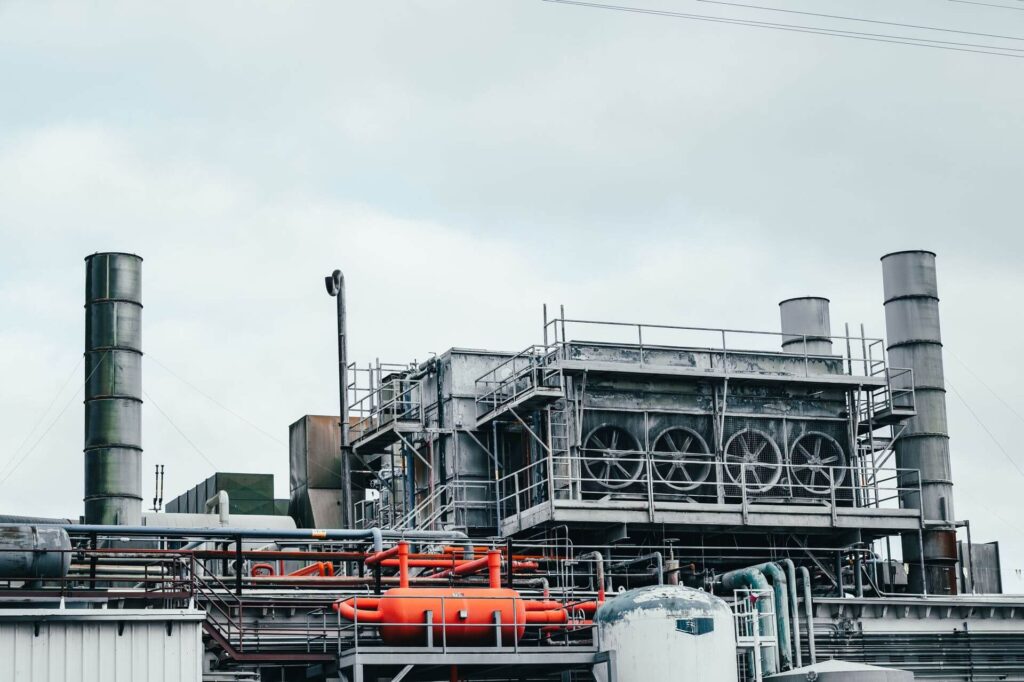
Industrial waste heat recovery offers a smart and eco-conscious approach to managing energy in industrial settings. By capturing and reusing the heat generated from manufacturing and processing operations, facilities can drastically reduce their energy consumption and environmental impact. Utilizing advanced heat pump technology and natural refrigerants such as propane (R290), these systems deliver efficient heat transfer while minimizing greenhouse gas emissions.
Modular designs ensure that solutions can be customized to fit a wide range of industrial applications and easily integrate with existing infrastructure. Embracing industrial waste heat recovery not only helps businesses achieve their sustainability targets but also results in significant long-term cost savings and enhanced operational resilience in a competitive market.
Benefits of Implementing Industrial Waste Heat Recovery
Adopting industrial waste heat recovery unlocks a range of advantages for manufacturing and processing facilities. By reclaiming heat that would otherwise be wasted, companies like Enrad can significantly lower their energy costs and reduce reliance on external energy sources.
This approach not only contributes to a smaller carbon footprint but also improves overall energy efficiency. With modular systems using natural refrigerants, businesses benefit from scalable solutions that are easy to integrate with existing operations, supporting both environmental responsibility and future-ready industrial performance.
Natural Refrigerants for Cleaner Recovery
Industrial waste heat recovery becomes even more sustainable when paired with natural refrigerants. Propane (R290) supports efficient heat transfer while helping reduce the environmental burden linked to conventional refrigerants. This makes it a strong option for facilities aiming to combine performance with climate responsibility.
In addition, it supports compliance with stricter environmental expectations. For many industrial applications, this approach delivers reliable results with a lower carbon impact.
Why Industrial Waste Heat Recovery Pays
Industrial waste heat recovery gives facilities a practical way to convert excess process heat into useful energy for heating, hot water, and other operational needs. Enrad designs modular systems that use propane (R290) to deliver efficient heat transfer with a lower climate impact, helping companies reduce energy waste without compromising performance.
Combined with natural refrigerant heat pumps and chillers, recovery can improve overall system efficiency and create a more resilient energy setup. A detailed energy report can also reveal where heat losses occur and where the greatest savings potential lies, making investment decisions clearer and more strategic.
FAQ
How can industrial waste heat recovery reduce energy costs?
Industrial waste heat recovery can lower energy bills by reusing excess heat from cooling, refrigeration, or production. Recovered energy can support space heating, hot water, or process demands, helping facilities cut fuel use and improve overall efficiency.
Which industries benefit most from industrial waste heat recovery?
Food processing, manufacturing, cold storage, chemicals, and logistics often see strong results from industrial waste heat recovery. Any site with continuous cooling loads or high process temperatures can turn wasted heat into useful energy.
Why choose a modular industrial waste heat recovery system?
A modular industrial waste heat recovery system can scale with changing capacity needs, simplify installation, and fit existing plant layouts. It also supports phased investment, making it easier to improve efficiency without major disruption to ongoing operations.
How does industrial waste heat recovery support decarbonization?
Industrial waste heat recovery supports decarbonization by reducing wasted energy and lowering demand for external heating sources. Combined with heat pumps and natural refrigerants like propane R290, it can cut emissions while maintaining reliable thermal performance.
How does industrial waste heat recovery operate in manufacturing?
Industrial waste heat recovery captures and reuses heat generated during manufacturing or processing activities. By using advanced heat pumps and natural refrigerants, waste heat is transferred and repurposed within industrial facilities, reducing both energy consumption and environmental impact. Enrad offers solutions in this field.
What advantages do industrial waste heat recovery systems provide?
Industrial waste heat recovery systems deliver notable energy savings, lower greenhouse gas emissions, and reduced operational expenses. They support sustainability objectives, increase energy efficiency, and boost resilience by decreasing dependence on external energy sources. Enrad’s systems contribute to these benefits.
How do natural refrigerants such as propane (R290) enhance heat recovery?
Natural refrigerants like propane (R290) offer high efficiency and are environmentally responsible. They support effective heat transfer in waste heat recovery systems while keeping greenhouse gas emissions low, making them a sustainable option for industrial use. Enrad utilizes natural refrigerants in its solutions.
Are waste heat recovery solutions adaptable for various industries?
Waste heat recovery solutions are typically modular and adaptable, so they can be customized for the specific requirements of different industries. This design allows for smooth integration with current infrastructure and ensures optimal efficiency for each application. Enrad provides adaptable solutions for various industries.
Summary
Industrial waste heat recovery helps facilities turn excess process heat into useful energy for heating, hot water, and production support. Enrad delivers modular systems built around natural refrigerant technology, including propane R290, to improve efficiency and reduce climate impact. Through heat recovery from cooling, refrigeration, and industrial processes, companies can lower energy costs, cut emissions, and strengthen long-term operational resilience.
These flexible solutions are designed to integrate with existing infrastructure and support a wide range of industrial applications.